
Trusted Plumbing Experts Serving Massachusetts
& Rhode Island
Expert & Professional Services
Request Service
Our Services
As plumbing specialists, we are dedicated to providing you with reliable, professional service to meet all your needs.
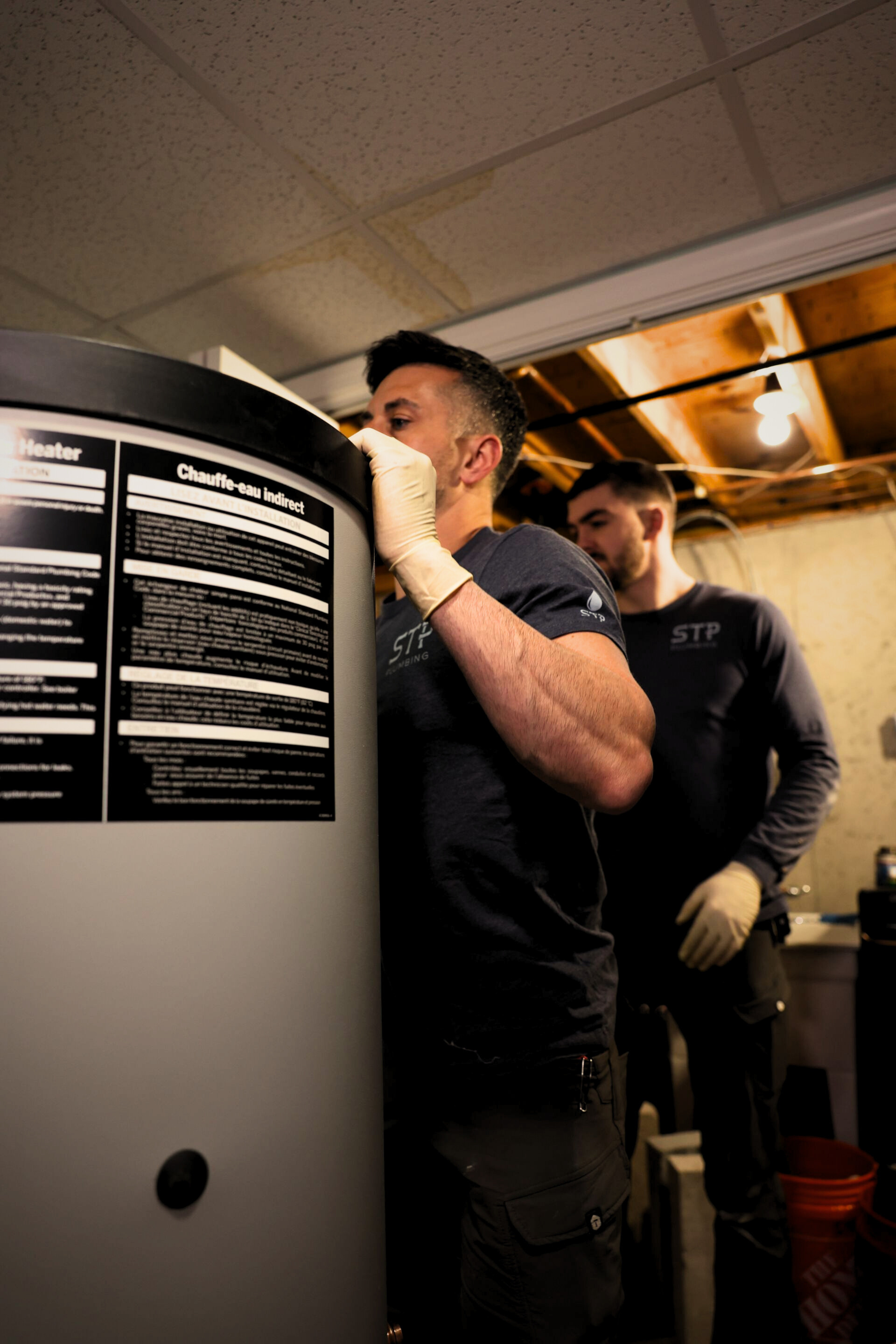
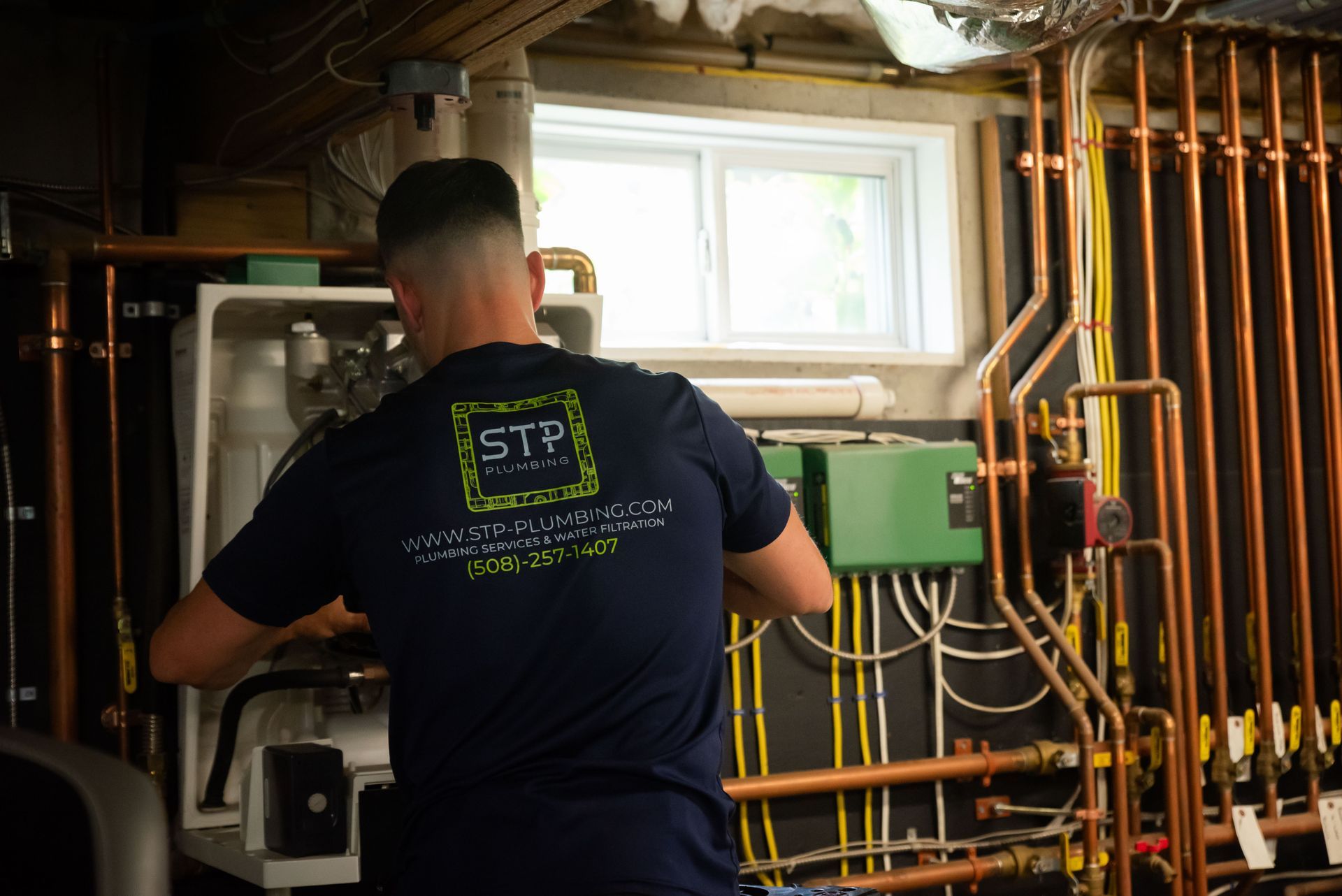
Hydronic Heating
We can help with every type of installation, maintenance and repair.
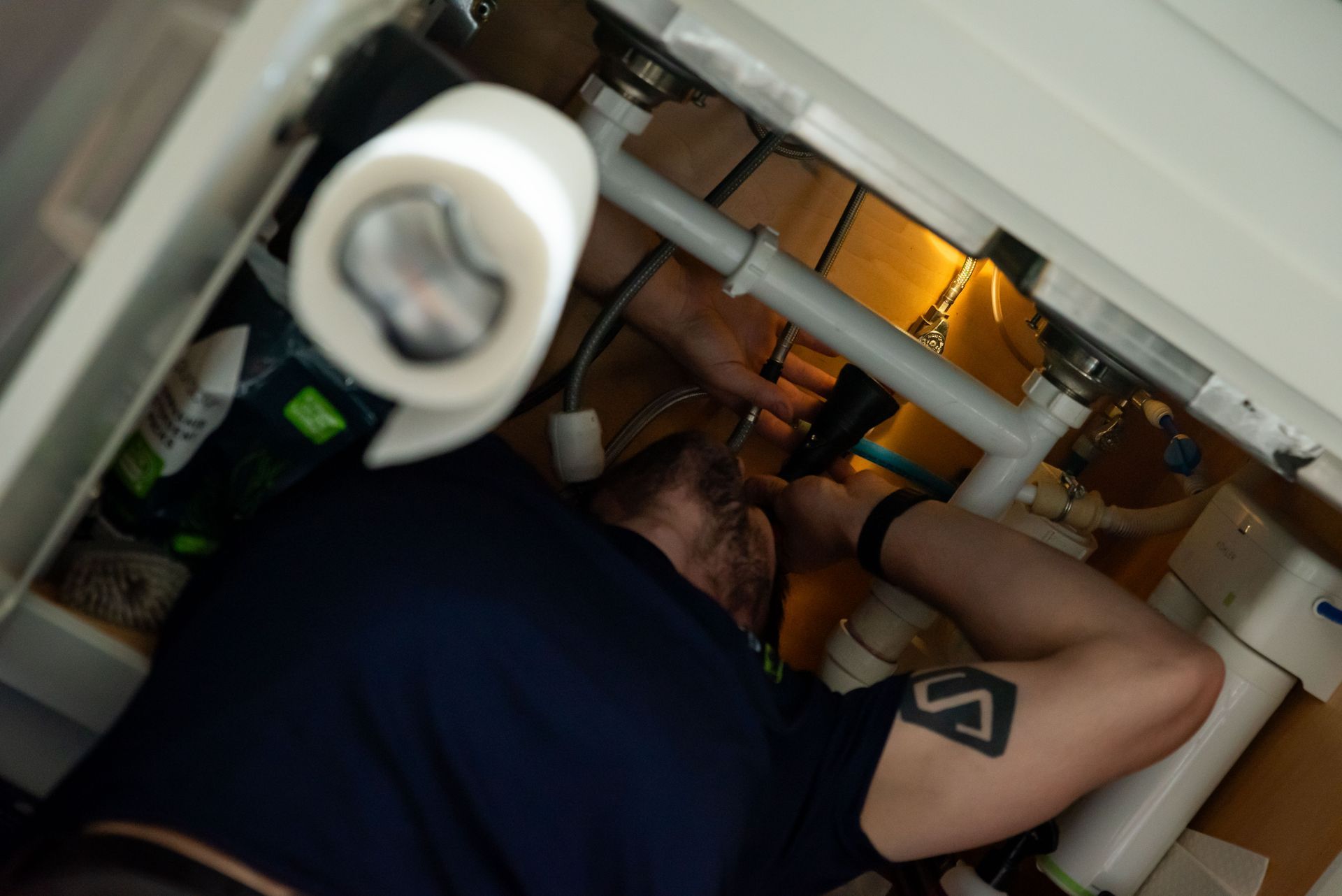
Leak Detection & Pipe Repair
We can help with every type of installation, maintenance and repair.

Expert Tips
Check out our blog for simple tips to keep your plumbing running smoothly.
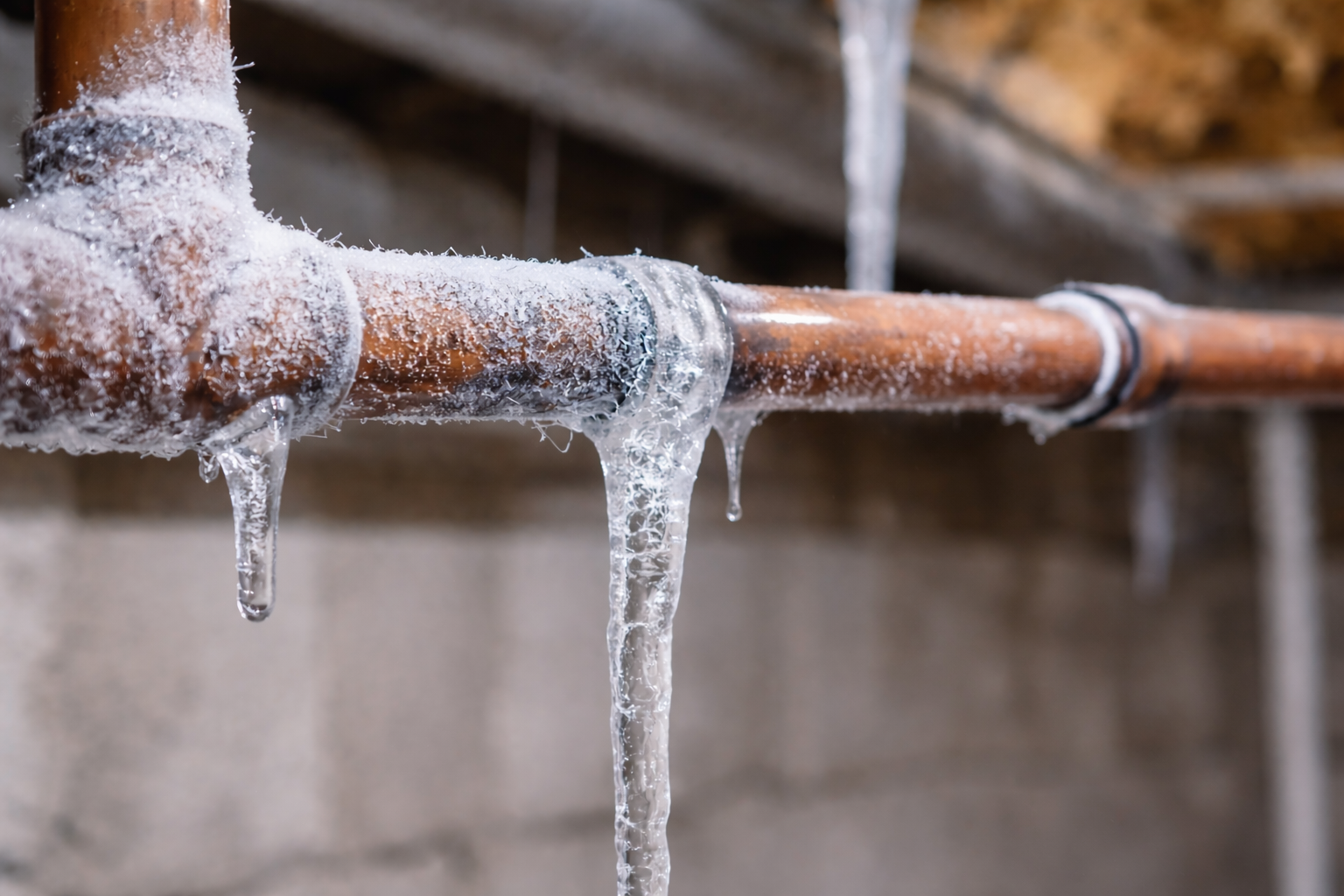
When temperatures drop across Massachusetts and New England, frozen pipes become one of the most common winter plumbing emergencies. If you suddenly have little or no water coming from your faucets, there’s a strong chance your pipes may be frozen. Knowing what to do quickly can help prevent a small issue from turning into a burst pipe and major water damage. Here’s what every homeowner should know. Why Pipes Freeze During Massachusetts Winters In New England, extended periods of sub-freezing temperatures can cause water inside pipes to freeze and expand. This expansion puts pressure on the pipe walls, often leading to cracks or full ruptures. Pipes are most likely to freeze in: Unheated basements Crawl spaces Garages Exterior walls Older homes with minimal insulation Even newer homes are vulnerable during extreme cold snaps. Signs Your Pipes May Be Frozen Frozen pipes do not always announce themselves clearly. Watch for: Little or no water flow from faucets Frost visible on exposed pipes Strange odors coming from drains Unusual banging or whistling sounds Bulging sections of pipe If you notice these warning signs, act immediately. Step-By-Step: What To Do If Your Pipes Freeze Turn Off the Main Water Supply If you suspect frozen pipes, shut off your home’s main water valve. This helps reduce pressure and limits potential water damage if the pipe bursts. Open Affected Faucets Turn on both hot and cold taps connected to the suspected frozen line. This relieves pressure and allows melting water to flow through safely. Apply Heat Safely You can gently warm exposed pipes using: A hair dryer Heating pad Warm towels A space heater (used safely and monitored) Never use an open flame, torch, or propane heater. This can cause serious damage or fire. If the pipe is inside a wall or inaccessible, professional help is recommended. When Frozen Pipes Turn Into Burst Pipes If a frozen pipe cracks or bursts, water damage can happen quickly — sometimes within minutes. Common signs of a burst pipe include: Sudden drop in water pressure Water stains on ceilings or walls Active leaking Pooled water in basement or crawl space In this situation, you need immediate help from a licensed plumber experienced in leak detection and pipe repair. STP Plumbing provides fast response for burst pipe repair and winter pipe emergencies throughout Massachusetts. Learn more about our professional leak detection and pipe repair services: https://www.stp-plumbing.com/leak-detection-and-pipe-repair Can Frozen Pipes Affect Your Water Heater? Yes — especially if incoming water supply lines freeze. In some cases, homeowners mistake frozen supply lines for water heater failure. If you’re experiencing no hot water, it may not always be a broken water heater. A professional inspection can determine whether the issue is frozen pipes or a water heater malfunction. Explore our full water heater services here: https://www.stp-plumbing.com/water-heater-services Emergency Frozen Pipe Repair in Massachusetts If you cannot safely thaw the pipe or suspect it has burst, it is time to call a professional. Frozen pipes can quickly turn into thousands of dollars in water damage if left untreated. STP Plumbing offers reliable emergency plumbing services for frozen pipes, burst pipes, and winter plumbing issues across Massachusetts and surrounding areas. Learn more about our emergency plumbing services: https://www.stp-plumbing.com/emergency-plumbing We respond quickly, diagnose the issue accurately, and provide cost-effective solutions to protect your home. How To Prevent Frozen Pipes in the Future Prevention is always better than repair. Here’s how to protect your plumbing system during New England winters: Insulate exposed pipes Seal cracks and air leaks near plumbing Let faucets drip during extreme cold Keep cabinet doors open under sinks Maintain indoor temperatures, even when away Schedule seasonal plumbing inspections Taking proactive steps now can save you from emergency plumbing repairs later. Need Help With Frozen Pipes? If your pipes are frozen, leaking, or have already burst, do not wait. STP Plumbing provides trusted frozen pipe repair, leak detection, burst pipe repair, and emergency plumbing service throughout Massachusetts. Call today to speak with a licensed local plumber and protect your home from winter plumbing damage.
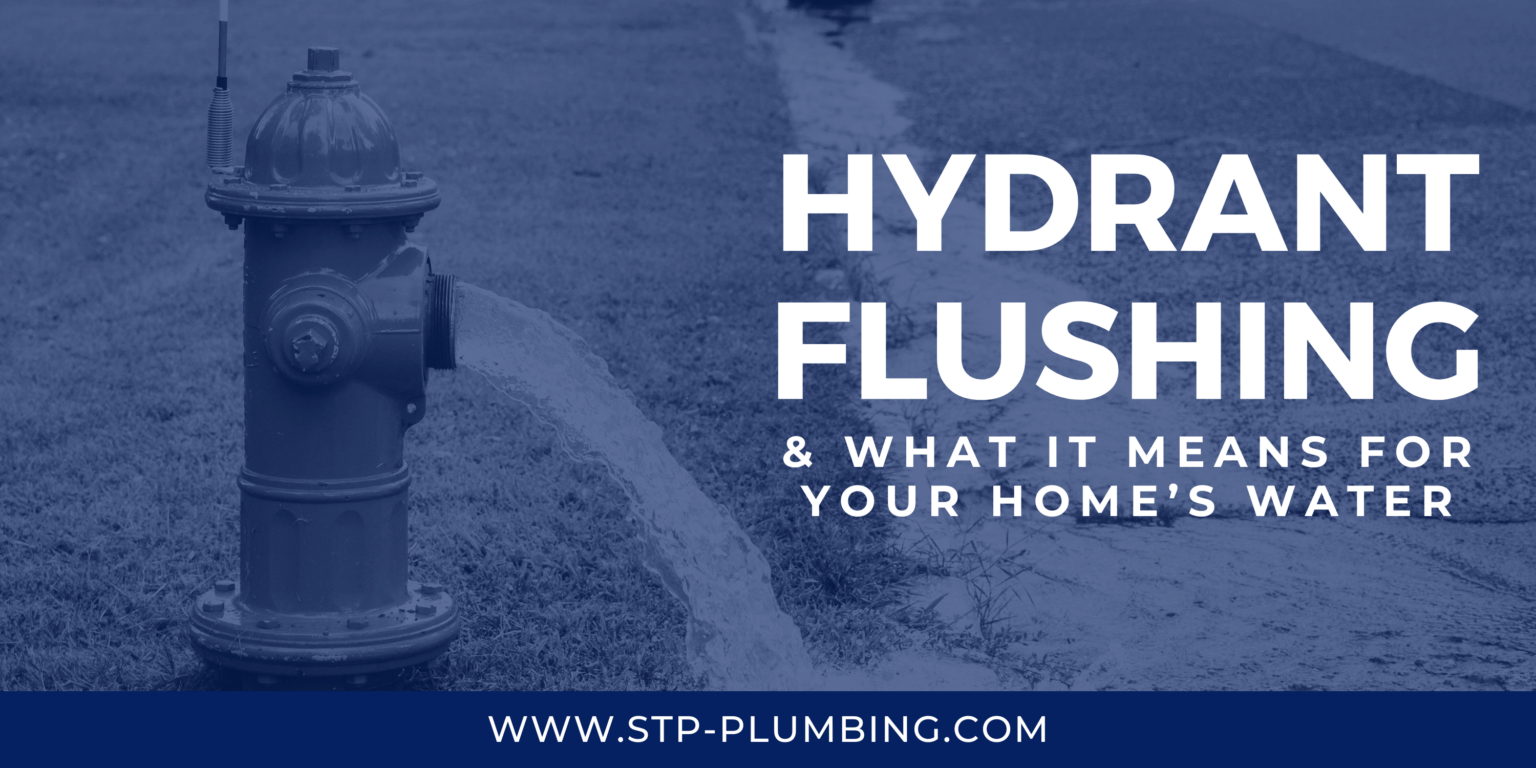
🔹 Why It’s Important: Improves water quality by removing sediment and rust. Helps maintain the water system and ensures fire hydrants work properly. 🔹 Effects on Home Plumbing: Temporary water discoloration. Changes in water pressure. Possible clogged faucet aerators. 🔹 Homeowner Tips: Avoid using water during flushing periods. Run cold water out of an outside spigot to avoid/minimize sediment in your plumbing system. Update your home’s water filtration system with STP! Schedule a visit with STP today for a quote on your home’s new water filtration system. (FYI: We offer free filter replacement for our first return trip after install!)

1. Turn Off the Main Water Valve Shutting off your main water supply is the best way to prevent leaks or pipe bursts while you're gone. This simple step helps you avoid wasted water, expensive utility bills, and potential water damage. 2. Check Drains & Garbage Disposal Before you leave, make sure your drains and garbage disposal are clear to prevent foul odors from developing. Run hot water and a bit of vinegar down the drain to keep things fresh while you’re away. 3. Inspect for Leaks Do a quick check under sinks, around toilets, and near your water heater for any drips or leaks. Fixing small leaks now can prevent bigger (and more expensive) problems when you return. 4. Clear Your Gutters Leaves and debris in your gutters can lead to overflowing water, which might damage your home's foundation. Make sure they’re clear before leaving to keep rainwater flowing away from your home. 5. Empty & Open Appliances Dishwasher & Washing Machine: Empty them and leave the doors open to prevent mildew and musty odors. Refrigerator: If you’re gone for an extended time, consider tossing perishables and setting the fridge to energy-saving mode. 6. Ask a Neighbor to Check In A trusted neighbor can keep an eye on your home and quickly notify you if anything goes wrong. Leave our contact info with them in case of an emergency! 7. Be Proactive, Not Reactive The best way to avoid plumbing issues? Schedule a whole-home inspection before your trip! Our experts will check for leaks, test water pressure, and ensure everything is in top shape before you leave. 📞 STP Plumbing – Call us at (508) 257-1407 or email service@stp-plumbing.com to schedule an inspection before your vacation!